Montreal and Quebec City: An Affordable Alternative to Toronto
Two of Canada's most culturally rich cities also happen to be significantly cheaper than Toronto — with a language and culture shift worth planning for.

Quebec rarely comes up in the same breath as Halifax or Calgary when people discuss leaving Toronto, and that’s a genuine oversight — Montreal and Quebec City offer some of the best combinations of affordability and urban culture anywhere in the country, for people willing to navigate a real language and cultural shift.
The affordability case
Montreal is, remarkably for a city of its size and cultural weight, one of the more affordable major metros in Canada. A one-bedroom apartment averages roughly $1,500–$1,800, well below Toronto’s $2,300-plus, and Montreal’s famously strict rent control regime (with legally mandated, disclosed rent history between tenants) gives renters a degree of protection and predictability that doesn’t exist in Ontario. Home prices, while rising, remain meaningfully below the GTA’s average.
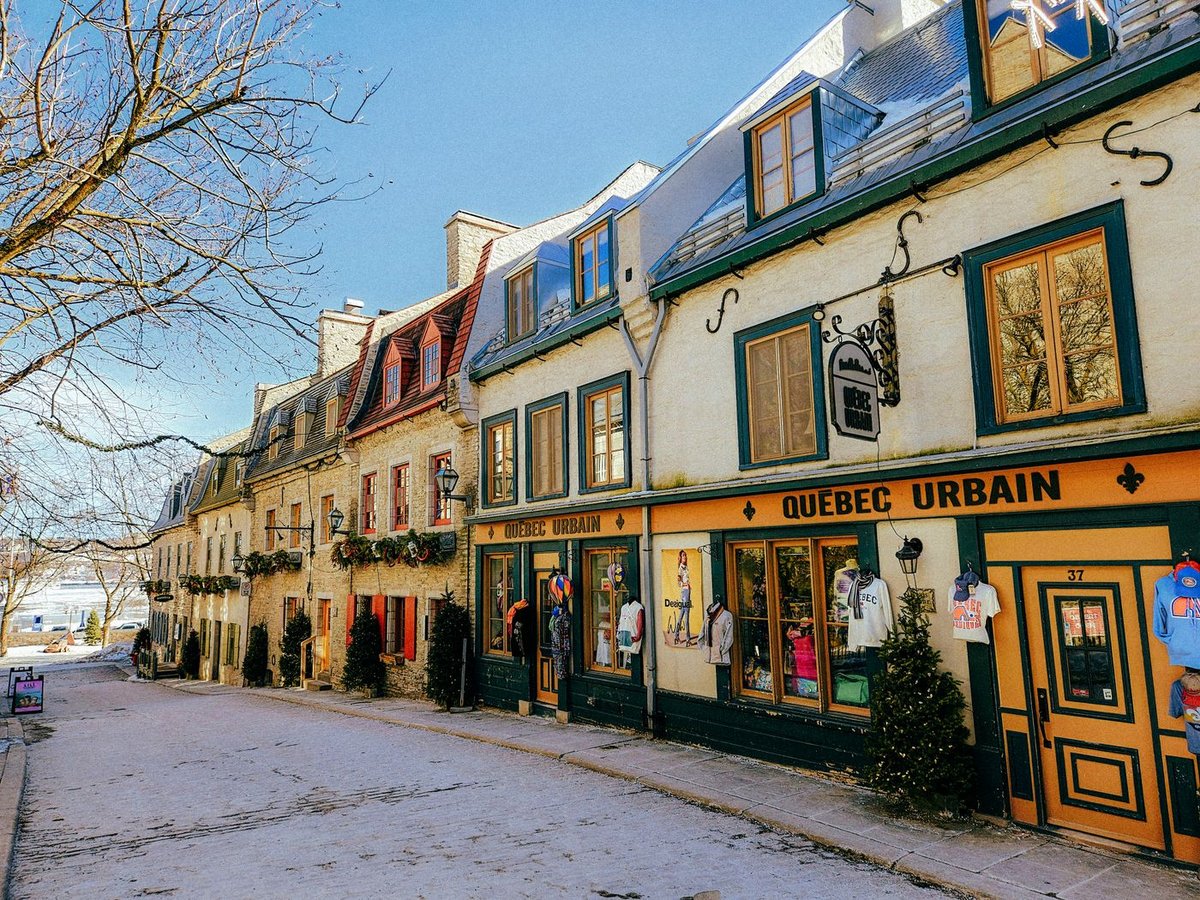
Quebec City is cheaper still — smaller, more government-and-tourism-driven, with housing costs among the lowest of any Canadian provincial capital. It offers a genuinely different pace than Montreal: quieter, more historic, and considerably less linguistically mixed, which matters for the point below.
The language question, honestly addressed
This is the factor that makes Quebec fundamentally different from every other city on this site, and it deserves direct treatment rather than a footnote. Montreal is genuinely bilingual in practice, particularly downtown and in traditionally Anglophone neighbourhoods, and plenty of transplants build a full life there with functional rather than fluent French, especially in tech, higher education, and certain corporate roles. Quebec City is a different story — French is dominant in daily life to a much greater degree, and a comfortable long-term life there generally requires genuine French proficiency, not just willingness to try. Be honest with yourself about your actual language level and appetite for improving it before choosing between the two.
Provincial differences that matter practically
Quebec operates its own provincial tax system, separate from the rest of Canada in ways that create some genuine complexity — Quebec residents file both a federal and a distinct provincial return, and payroll administration for out-of-province employers can occasionally be less straightforward than a move within, say, Ontario, Nova Scotia, or Alberta. This is manageable and increasingly well-trodden, but worth confirming with your employer if you’re planning to keep a Toronto-based remote job, similar to the broader conversation covered in how to convince your employer to let you relocate.
What you get culturally
Montreal offers one of the most genuinely distinct cultural experiences in North America — a food scene shaped by both French culinary tradition and the city’s broader immigrant history, a festival calendar that runs nearly year-round, and an architectural character unlike anywhere else in Canada. Quebec City, smaller and more historic, offers cobblestone-street charm and a slower pace, closer in spirit to a European small city than to Toronto’s version of urban life. Neither city trades culture for affordability the way some cheaper options elsewhere in Canada arguably do — you’re getting genuine richness at a real discount, provided the language transition works for you.
Who this move suits
People genuinely excited by French language and culture, rather than merely tolerant of it, will find this one of the most rewarding relocations on this entire list — not just financially, but as a lived experience. It’s a poor fit for anyone unwilling to engage seriously with French, particularly for Quebec City specifically. If the language question is the deciding factor against Quebec, it’s worth returning to the broader roundup of affordable Canadian cities for remote workers for English-first alternatives with a similar cost profile.
Montreal in particular deserves more consideration in the “leaving Toronto” conversation than it typically gets — it offers a rare combination of major-city culture, real affordability, and a genuinely different pace of life, all without leaving the country.